
RegenLife Centers · Physician-led care
Thyroid Treatment Cincinnati OH
When Standard TSH Tests Miss the Full Picture
Published on August 9th, 2026

Persistent symptoms can cause frustration when standard care does not provide a clear explanation or lasting relief.
The difficulty is not that TSH is a useless test. It is a useful test. The difficulty is that TSH alone, which is what most patients receive during a routine annual physical, is a single upstream signal from the pituitary gland, and it can sit comfortably in the normal range while the thyroid itself is under autoimmune attack, while the conversion of T4 to biologically active T3 is impaired, and while the patient is producing as much as 20% inactive Reverse T3 that competes with and blocks the hormone their cells need. At RegenLife Centers for Integrative Pain & Weight Management in Cincinnati, thyroid treatment begins where a standard TSH panel leaves off, with a complete evaluation of the mechanisms behind the symptoms, more than the single number that standard panels were designed to screen.
 A doctor attentively listens to a patient during a medical consultation, emphasizing care and understanding.
Key Takeaways
- An estimated 13 million Americans have undiagnosed hypothyroidism, and a 2025 analysis (PMC12449141) found that autoimmune thyroid disease: the most common cause, has a U.S. prevalence of 5.3% with only a 57% diagnosis rate, meaning nearly half of affected patients remain unidentified
- TSH alone misses three clinically significant patterns: T4-to-T3 conversion failure (present in patients with normal TSH and normal T4 but low Free T3), Reverse T3 dominance, and Hashimoto's thyroiditis (detectable by TPO and thyroglobulin antibodies years before TSH becomes abnormal)
- Up to 15% of patients on levothyroxine: the standard T4-only treatment, continue to experience hypothyroid symptoms including fatigue, brain fog, weight gain, and depression despite normalized TSH levels, pointing to the limitation of treating the TSH number rather than the patient's full hormonal picture
- The TSH reference range itself is contested: some researchers argue the upper limit should be lowered from 4.5 to 2.5 mIU/L, and a significant proportion of patients with TSH values in the 2.5–4.5 range carry occult autoimmune thyroid pathology that standard screening does not detect
What TSH Testing Measures: Why It Is Not Enough for Thyroid Treatment in Cincinnati
The Single-Number Problem
TSH, thyroid-stimulating hormone, is produced by the pituitary gland, not the thyroid itself. It is a downstream signal: when the body detects insufficient thyroid hormone in circulation, the pituitary increases TSH to instruct the thyroid to produce more. This makes TSH a reliable indicator of overt thyroid failure, where the gland has stopped producing adequate hormone and the pituitary is sending an amplified distress signal. What it does not capture is the full picture of thyroid function across its several distinct biological stages: hormone production, hormone conversion, and cellular availability of the active form.
A patient's TSH can register as perfectly normal while the thyroid is producing adequate T4, but that T4 is being converted to Reverse T3 rather than Free T3, the biologically active hormone that actually enters cells and governs metabolism, temperature regulation, cognition, and mood. The TSH never learns about this conversion problem. It sees circulating T4 and remains quiet. The patient remains symptomatic. The lab report reads normal.
This is the clinical gap that the diagnostic evaluation at RegenLife is designed to close. For patients in Cincinnati whose thyroid symptoms have not been explained by standard TSH testing, or who have been told their thyroid is fine while experiencing classic hypothyroid presentations, a complete panel provides the clinical picture that a single upstream signal cannot.
The Reference Range Debate
The standard upper limit for TSH is typically 4.2–4.5 mIU/L, depending on the laboratory. But this range, established from population-level studies, has been contested for decades. A significant proportion of patients with TSH values between 2.5 and 4.5 mIU/L have occult autoimmune thyroid disease, and research data suggests that up to 30% of patients with TSH above 3.0 mIU/L have subclinical Hashimoto's thyroiditis not reflected in the TSH value alone. The American Thyroid Association has noted that the appropriate upper limit of TSH remains genuinely debated, with the 97.5th percentile varying between 2.4 and 4.2 mIU/L across major studies.
The clinical consequence is that a patient with a TSH of 3.8, technically well within the standard normal range, may have Hashimoto's antibodies destroying thyroid tissue, Free T3 at the low end of normal, and every symptom of clinical hypothyroidism, yet be told their thyroid is healthy. This is not a failure of the test to do what it was designed to do; it is a failure to recognize what the test was never designed to measure.
What a Complete Thyroid Panel Includes
 A lab technician wearing gloves uses a centrifuge for blood analysis in a modern laboratory setting.
Free T3 and Free T4: The Hormones That Actually Do the Work
T4 (thyroxine) is the primary hormone the thyroid produces, but it is largely a storage form, a precursor that must be converted to T3 (triiodothyronine) by tissues throughout the body, primarily the liver and gut, before cells can use it. Free T4 reflects the unbound, bioavailable thyroxine in circulation; Free T3 reflects the unbound, biologically active hormone that governs nearly every metabolic function in the body.
Measuring Free T4 alongside TSH identifies cases where the thyroid is underproducing T4 even when TSH remains in the normal range, a pattern called secondary hypothyroidism, originating from pituitary rather than thyroid dysfunction. Measuring Free T3 identifies the conversion problem that TSH and Free T4 together cannot detect: patients who are producing adequate T4 and have normal TSH, but whose Free T3 is low because the peripheral conversion machinery is impaired. These patients experience full hypothyroid symptomatology with lab results that look unremarkable on a standard panel.
Marker | What It Measures | What Standard TSH Misses |
|---|---|---|
TSH | Pituitary signal to the thyroid | Misses conversion failure, Hashimoto's in early stages, subclinical dysfunction in upper-normal range |
Free T4 | Thyroid hormone output (storage form) | Identifies secondary hypothyroidism; TSH alone misses pituitary-origin cases |
Free T3 | The biologically active hormone cells use | Conversion failure present even with normal TSH and Free T4 |
Reverse T3 (rT3) | Inactive T3 metabolite that blocks receptor sites | Elevated in chronic stress, illness, caloric restriction; never measured in standard panels |
TPO Antibodies | Antibodies attacking thyroid peroxidase enzyme | Detects Hashimoto's years before TSH is affected |
Thyroglobulin Antibodies | Secondary autoimmune marker | Detects Hashimoto's in the subset who are TPO-antibody negative |
Reverse T3: The Thyroid Blocker Standard Panels Ignore
When the body is under chronic stress, physiological, metabolic, or psychological. It shifts T4 conversion away from Free T3 and toward Reverse T3, an inactive metabolite that occupies T3 receptor sites without activating them. Reverse T3 is, in effect, a molecular parking space occupier: it takes up the cell's thyroid receptor without delivering the hormonal signal, producing cellular hypothyroidism regardless of what TSH and Free T4 show. Elevated rT3 is consistently found in patients with chronic illness, significant caloric restriction, adrenal dysfunction, and high cortisol states, all of which are common in the patient populations managing chronic pain and metabolic dysfunction. It is never measured on a standard panel and requires specific ordering.
For patients whose adrenal status is also dysregulated, a frequent co-presentation in thyroid cases, the interaction between cortisol, conversion efficiency, and Reverse T3 elevation represents a clinically coherent picture that requires both axes to be evaluated together rather than independently.
Thyroid Antibodies: Finding Hashimoto's Before the TSH Changes
Thyroid peroxidase (TPO) antibodies are present in approximately 95% of Hashimoto's thyroiditis cases, and they may be detectable for years, sometimes a decade or more, before TSH rises into the abnormal range. Hashimoto's thyroiditis is the most common autoimmune condition in the United States, and approximately 5 in 100 Americans are affected, yet the 2025 analysis published in PMC12449141 found only a 57% diagnosis rate. The gap between prevalence and diagnosis exists precisely because standard screening catches the condition only after significant thyroid tissue destruction has occurred and TSH has finally risen enough to trigger a flag.
Thyroglobulin antibodies provide a complementary autoimmune marker for the subset of Hashimoto's patients, approximately 10–15%, who present with elevated thyroglobulin antibodies but negative TPO antibodies, making a TPO-only test insufficient for ruling out autoimmune thyroid disease.
Hashimoto's Thyroiditis: The Most Common Thyroid Condition Most Patients Don't Know They Have
A Slow, Silent Autoimmune Process
Hashimoto's does not announce itself with acute symptoms. It is an autoimmune disease that attacks thyroid tissue progressively, and because the thyroid has substantial reserve capacity, patients can lose significant functional tissue before hormone output falls enough to alter TSH values. During this silent phase, which may span years, the immune system is actively destroying thyroid cells, antibody levels are measurable in a blood draw, and patients may be experiencing a constellation of symptoms: fatigue that is disproportionate to activity level, difficulty maintaining weight, brain fog, low-grade depression, hair thinning, cold sensitivity, and morning sluggishness that persists regardless of sleep duration.
About 5% of Hashimoto's patients per year progress to overt hypothyroidism with abnormal TSH, which means the vast majority, at any given point, have diagnosable autoimmune thyroid pathology with normal TSH values. These are the patients who present to standard primary care, receive a TSH, and are told their thyroid is fine. The antibodies, the actual evidence of immune attack, are never measured.
What Hashimoto's Patients Need That Standard Care Rarely Provides
The management of Hashimoto's thyroiditis extends beyond hormone replacement to address the autoimmune process itself. Systemic inflammation, measurable through hs-CRP and other inflammatory markers, drives antibody activity, and inflammatory drivers including intestinal permeability, dysbiosis, and food sensitivities have a well-documented relationship with autoimmune thyroid disease. Gluten-reactive antibody cross-reactivity with thyroid tissue is documented in the literature; selenium deficiency, which impairs the deiodinase enzymes responsible for T4-to-T3 conversion, is an addressable nutritional variable. A comprehensive approach to Hashimoto's management evaluates the immune environment, the inflammatory burden, and the nutritional status that influences conversion efficiency, not only the hormone levels that are the downstream result of all of these upstream variables.
The T4-to-T3 Conversion Problem: Why Levothyroxine Alone Fails for Many Patients
 Side view of young exhausted woman lying on couch in living room in daylight.
The 15% Problem
Levothyroxine, a synthetic T4, is the most prescribed thyroid medication in the United States, and for patients with straightforward primary hypothyroidism and intact conversion machinery, it is effective. But up to 15% of properly treated hypothyroid patients continue to experience significant hypothyroid symptoms, fatigue, brain fog, weight gain, depressed mood, and cold intolerance, despite achieving normalized TSH levels on adequate levothyroxine doses. These patients are not undertreated by the standard measure. Their TSH is normal. They simply cannot convert the T4 they are receiving into the T3 their cells require.
This is not a disputed clinical finding. It is recognized in the peer-reviewed literature, including a 2024 review published in Tandfonline examining the safety and rationale for T3 addition in residually symptomatic hypothyroid patients. Current guidelines support a 3–6 month individualized trial of T3 supplementation for patients with persistent symptoms on optimized T4 therapy, conducted under expert physician oversight following discussion with the patient.
What Impairs Conversion
T4-to-T3 conversion depends on deiodinase enzymes, primarily expressed in the liver and gut. The conditions that impair these enzymes are common in chronically ill patients:
- Chronic inflammation: elevated cytokines directly suppress deiodinase activity
- Cortisol excess: chronic stress and HPA axis dysregulation shift conversion toward Reverse T3
- Nutritional deficiencies: selenium, zinc, and iron are required cofactors for deiodinase enzymes; deficiency in any of these impairs conversion
- Gut dysbiosis: approximately 20% of T4-to-T3 conversion occurs in the gut, mediated by intestinal bacteria; dysbiosis reduces this conversion capacity
- Caloric restriction: low-calorie states trigger a protective metabolic slowing that increases Reverse T3 production
- Certain medications: beta-blockers, amiodarone, corticosteroids, and contrast agents all suppress deiodinase activity
For patients managing chronic pain, systemic inflammation, and weight management challenges, several of these impairment factors are likely present simultaneously, which is precisely why the patient population that presents to integrative medicine practices has disproportionately high rates of conversion failure relative to the general hypothyroid population.
Thyroid Treatment Options: Beyond Levothyroxine
T4/T3 Combination Therapy
When conversion failure is identified, typically through a pattern of low Free T3 with normal or high-normal Free T4 and normal TSH, adding a T3 preparation alongside T4 addresses the deficit directly. Liothyronine (synthetic T3) is added at a physiologically appropriate ratio to levothyroxine, with updated 2023 guidance suggesting an LT4:T3 dosage ratio of approximately 17:1. A 2024 systematic review examining LT4/LT3 combination therapy found that one-third of the most symptomatic patients had strong preference and measurable symptom improvement with T3-containing therapies, consistent with the clinical observation that this subgroup's symptoms trace to conversion failure rather than inadequate T4 dosing.
The addition of T3 requires more careful monitoring than T4 monotherapy, T3 has a shorter half-life, producing more variable serum levels, and both hyperthyroid and hypothyroid states carry risks. Medical supervision with periodic laboratory monitoring is not optional; it is the mechanism that makes this approach clinically sound rather than speculative.
Desiccated Thyroid Extract
Desiccated thyroid extract (DTE), derived from porcine thyroid glands, contains both T4 and T3 in a ratio approximating the thyroid's natural secretion pattern. It was the standard thyroid treatment for decades before levothyroxine became dominant, and it has seen renewed interest as evidence accumulates that a subset of patients genuinely respond better to T3-containing preparations. Patient preference studies consistently find that hypothyroid patients prefer NDT and T4/T3 combination therapy over T4 monotherapy when given the opportunity for a blinded comparison, though current guidelines recommend it only within an individualized clinical framework for patients who have not achieved adequate well-being on optimized T4 therapy.
How Thyroid Treatment in Cincinnati Works at an Integrative Practice
What a Comprehensive Evaluation Looks Like
The thyroid evaluation at RegenLife begins with the complete panel outlined above, TSH, Free T4, Free T3, Reverse T3, TPO antibodies, and thyroglobulin antibodies, alongside the broader hormonal and metabolic picture that influences thyroid function. Because conversion efficiency depends on adrenal status, inflammatory burden, nutritional sufficiency, and gut health, the diagnostic services workup at RegenLife includes the variables that standard thyroid testing leaves out: cortisol profile, hs-CRP, ferritin, selenium and zinc status, and the sex hormone evaluation that frequently reveals the co-occurring hormonal changes that compound thyroid-driven symptoms in perimenopausal women and middle-aged men.
This is not a shotgun approach to ordering labs. It is a mechanistically coherent evaluation of the full set of biological variables that determine whether thyroid hormone gets from the gland to the cell in its active form. The distinction between a TSH that is in range because the thyroid is functioning well and a TSH that is in range because the patient has adapted to chronic low-grade deficiency requires more information than a single number provides.
The Integrative Framework
For patients in Cincinnati managing thyroid conditions, the hormone therapy program at RegenLife integrates thyroid management with the broader endocrine picture. Patients with Hashimoto's often present with overlapping hormonal imbalances, estrogen dominance in perimenopausal women, low testosterone in both sexes, and adrenal dysregulation, that amplify thyroid symptoms and must be addressed as part of the same clinical framework rather than sequentially or in isolation.
The bioidentical hormone therapy evaluation addresses whether co-occurring hormonal decline requires intervention; the lifestyle medicine program addresses the dietary, inflammatory, and nutritional variables that determine conversion efficiency; and the medical management framework provides the ongoing monitoring, Free T3, Free T4, antibody levels, and Reverse T3, that allows treatment to be adjusted as the clinical picture evolves rather than managed by a TSH number that was never designed to tell the whole story.
For patients in Cincinnati whose fatigue, weight resistance, hormone imbalance symptoms, or unexplained symptoms have not been explained by standard lab work, the thyroid evaluation at RegenLife provides the clinical clarity that a TSH-only panel was never built to offer.
Contact RegenLife Centers to schedule an evaluation or ask which service fits your needs.
Frequently Asked Questions
Find answers to common questions
Ready to Learn More?
To learn more and to find out if you might be a good candidate at RegenLife, schedule a consultation with our team today.
About the Author
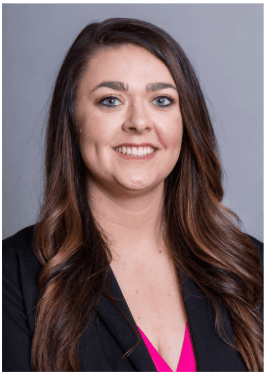
Caitlyn Benton, Research Manager at RegenLife
As Research Manager, Caitlyn Benton oversees the strategic planning and execution of clinical research projects, ensuring all studies adhere to the highest regulatory and ethical standards. With expertise in protocol development and data monitoring, she coordinates multidisciplinary teams to ensure the integrity of our clinical research programs and the accuracy of the insights shared with our patients.
Reviewed and Approved by
Dr. Zeeshan Tayeb, Medical Director at RegenLife
Interventional Spine, Pain, and Sports Medicine Dr. Zeeshan Tayeb, MD is a double-board certified physician with a specialized fellowship in interventional spine, pain, and sports medicine. He sees patients at Pain Specialists of Cincinnati/RegenLife in Cincinnati, Ohio. Dr. Tayeb's background in physical medicine and rehabilitation has provided the foundation for his comprehensive approach to treating the whole person. Dr. Tayeb has done extensive training and education in both functional and regenerative medicine and specializes in state-of-the-art treatments, including laser therapies, PRP and stem-cell injections, and nutritional and hormonal optimization.
Disclaimer:
As a service to our readers, RegenLife provides access to our library of archived content. Please note the date of last review or update on all articles.
No content on this site, regardless of date, should ever be used as a substitute for direct medical advice from your doctor or other qualified clinician.
Stay Updated With Our Latest News
Check back regularly for new articles and updates about pain management treatments, practice news, and health tips from our team of specialists.
Get In Touch
Same-week consults. Real follow-through.
Tell us what's going on. A coordinator will follow up during office hours to help book your visit.
Choose the clinic that works for you.
Most new patients can be seen within the same week.
We accept most major insurance plans