
RegenLife Centers · Physician-led care
Functional Medicine Clinic Cincinnati OH
A Personalized Approach to Whole-Body Wellness
Published on March 28th, 2026

Cincinnati residents seeking answers to complex or chronic health concerns are increasingly turning to functional medicine, a medical approach that looks beyond symptoms to uncover the root causes of illness. Unlike conventional care that often focuses on managing disease, functional medicine practitioners spend extended time with patients, order comprehensive testing, and create individualized treatment plans based on each person's unique biology, lifestyle, and health history.
 A healthcare professional consulting with a patient in a bright clinical room, a close-up of hands holding patient notes, and a spacious waiting area with seating and plants.
Functional medicine clinics in Cincinnati offer a partnership-based model of care where patients work closely with providers to address hormonal imbalances, digestive issues, fatigue, autoimmune conditions, and metabolic dysfunction through evidence-based interventions that support the body's natural healing capacity. This approach integrates nutrition, lifestyle modification, advanced diagnostics, and targeted supplementation to restore balance and vitality.
For those who have been told their labs are normal despite feeling unwell, or who have cycled through multiple specialists without relief, functional medicine provides a different lens. It acknowledges that healing is not linear and that sustainable wellness requires attention to sleep, stress, movement, and the intricate systems that connect mind and body.
Key Takeaways
- Functional medicine identifies root causes of illness through comprehensive testing and extended patient visits
- Treatment plans are personalized based on individual biology, lifestyle factors, and health goals
- This approach addresses chronic conditions by supporting the body's natural healing systems rather than just managing symptoms
Contact RegenLife Centers to schedule an evaluation or ask which service fits your needs.
Understanding Functional Medicine in Cincinnati
 A healthcare professional in a white coat consulting with a patient in a clean medical office.
Functional medicine addresses health by identifying root causes rather than masking symptoms, using expanded testing and personalized treatment plans that account for each person's unique biology, lifestyle, and health history.
Fundamentals of the Functional Medicine Approach
The functional medicine approach starts with a different question than conventional care typically asks. Instead of "What disease does this patient have?" practitioners ask "Why is this happening, and what systems have lost balance?"
This shift changes everything about how care unfolds. Visits are longer, often 60 to 90 minutes for initial consultations. Practitioners gather detailed histories that include diet, sleep patterns, stress levels, environmental exposures, and family health backgrounds.
Advanced diagnostic testing expands beyond standard blood panels to include comprehensive evaluations of gut health, hormone balance, nutrient status, and inflammatory markers. These tests reveal imbalances before they progress into diagnosable disease.
Treatment plans reflect this depth of understanding. Rather than a single prescription, patients receive individualized protocols that may include targeted nutrition, specific supplements, lifestyle modifications, and stress management techniques tailored to their lab findings and health goals.
How Functional Medicine Differs from Conventional Care
Conventional medicine excels at acute care and crisis intervention. It saves lives in emergencies and manages conditions with proven pharmaceutical protocols.
Functional medicine complements this by addressing chronic, complex conditions where standard approaches often fall short. When someone has been told their labs are normal but continues to experience fatigue, brain fog, digestive issues, or unexplained pain, this approach offers new pathways.
The time investment differs significantly. While a typical primary care visit lasts 15 minutes, functional medicine practitioners spend extended time understanding patterns and connections between symptoms. This allows them to see relationships between seemingly unrelated complaints.
Testing strategies also diverge. Standard panels check for disease markers, while functional testing identifies subclinical imbalances that haven't yet caused diagnosable conditions. This preventive focus catches problems earlier when they're more responsive to intervention.
Whole-Body Wellness Through a Systems Approach
The systems approach to whole-body wellness recognizes that the body functions as interconnected networks rather than isolated parts. Digestive health influences immune function. Hormone balance affects mood and cognition. Sleep quality impacts metabolic health and inflammation.
This perspective explains why thyroid symptoms might stem from gut dysfunction, or why chronic pain persists despite normal imaging studies. When practitioners evaluate how systems interact, they uncover leverage points for healing that single-organ approaches miss.
Key body systems evaluated in functional medicine include:
- Digestive and microbiome health (gut barrier integrity, bacterial balance, enzyme function)
- Hormonal and metabolic pathways (thyroid, adrenal, reproductive hormones, insulin regulation)
- Immune and inflammatory responses (autoimmunity, chronic inflammation, allergic pathways)
- Detoxification systems (liver function, toxin exposure, elimination pathways)
- Neurological and cognitive health (neurotransmitter balance, brain inflammation, cognitive function)
This integrative framework supports whole-person health by addressing multiple systems simultaneously. Rather than treating each symptom separately, practitioners design protocols that restore balance across interconnected networks, allowing the body's innate healing capacity to emerge.
Personalized Care and the recovery
 A healthcare provider consulting with a patient in a clean, minimal medical examination room.
Functional medicine considers each person's biology, history, and life circumstances. It looks beyond symptom management to assess factors that may be driving illness.
Uncovering Root Cause and Medical History
The first step in any recovery involves a thorough exploration of medical history. This process extends far beyond reviewing prior diagnoses or test results.
Practitioners trained in functional medicine Cincinnati spend extended time listening to patients describe their symptoms, lifestyle patterns, dietary habits, stress levels, and environmental exposures. They look for connections that may have been missed in conventional settings.
Key areas explored during intake include:
- Timeline of symptom onset and progression
- Family health patterns and genetic predispositions
- Digestive function and nutrient absorption
- Hormonal balance and metabolic markers
- Sleep quality and circadian rhythm disruption
- Toxic exposures and inflammatory triggers
Advanced laboratory testing often reveals underlying imbalances that standard panels miss. These might include nutrient deficiencies, gut microbiome disruption, chronic inflammation, or hormonal dysregulation. Identifying the root cause allows for targeted interventions rather than blanket approaches.
The Importance of Patient Participation
Treatment works better when patients understand the plan and participate in the decisions. This creates a collaborative relationship between the patient and clinician.
This approach recognizes that no one knows a person's body, symptoms, and patterns better than they do. Practitioners provide education, context, and guidance while respecting the lived experience each individual brings to the consultation room.
Active participants typically:
- Ask questions and seek to understand their condition
- Track symptoms and notice patterns over time
- Make informed decisions about treatment options
- Take ownership of lifestyle modifications
- Communicate openly about what works and what doesn't
When someone understands why certain dietary changes matter or how stress affects their hormones, they're more likely to follow through with recommendations. Knowledge reduces anxiety and builds confidence in the body's capacity to respond to thoughtful intervention.
The Innate Ability to Heal
The human body possesses remarkable regenerative capacities when given proper support. This innate ability to heal forms the foundation of functional medicine practice.
Cells constantly repair DNA damage. The gut lining regenerates every few days. Neuroplasticity allows the brain to form new pathways throughout life. The immune system adapts and learns from each encounter.
These processes don't always function optimally, particularly when overwhelmed by chronic stress, poor nutrition, inadequate sleep, or persistent inflammation. Personalized care aims to remove obstacles and provide the specific resources each body needs to restore balance.
Clinical experience shows that supporting natural healing mechanisms often produces more sustainable results than suppressing symptoms alone. This might involve optimizing vitamin D levels to support immune function, addressing insulin resistance to reduce systemic inflammation, or improving sleep architecture to enhance cellular repair.
The timeline varies. Some patients notice improvements within weeks while others require months of consistent effort. Progress rarely follows a straight line, but the body's tendency toward homeostasis remains constant when barriers are systematically addressed.
Comprehensive Evaluation and Testing
At RegenLife Centers for Integrative Pain & Weight Management, we begin with detailed assessments that look beyond conventional lab panels to identify imbalances in hormones, metabolic markers, and systemic function. These evaluations inform personalized treatment plans that address root causes rather than isolated symptoms.
Advanced Hormone Testing
Hormone imbalances often contribute to chronic pain, weight gain, fatigue, and mood disturbances that resist conventional treatment. We utilize specialized testing methods including salivary panels and the DUTCH (Dried Urine Test for Comprehensive Hormones) analysis to measure cortisol patterns, sex hormones, and metabolic byproducts throughout the day.
These advanced hormone testing methods provide a more complete picture than standard blood work alone. Salivary testing captures hormone levels at multiple time points, revealing how the body's stress response fluctuates from morning to evening. The DUTCH test adds hormone metabolite measurements, showing how much hormone the body produces and how effectively it processes and eliminates these compounds.
This level of detail allows practitioners to identify patterns like estrogen dominance, progesterone deficiency, or disrupted cortisol rhythms that may be driving symptoms. A woman experiencing unexplained weight gain and insomnia, for example, may discover through testing that her cortisol remains elevated at night, disrupting both metabolism and sleep architecture.
Routine Health Screenings
While functional medicine consultations dive deep into complex chronic conditions, patients must maintain relationships with primary care providers for routine health screenings and acute medical issues. Functional medicine practices do not typically provide urgent or emergency care, making this dual approach essential for comprehensive wellness.
Standard preventive screenings such as mammograms, colonoscopies, and cardiovascular assessments remain critical foundations of health maintenance. These conventional tools detect early disease processes that require immediate attention or monitoring.
Functional medicine practitioners complement these screenings with comprehensive blood tests that assess inflammation markers, nutrient status, blood sugar regulation, and metabolic function. This might include measuring fasting insulin alongside glucose, evaluating inflammatory markers like high-sensitivity C-reactive protein, or checking vitamin D and B12 levels that influence energy production and immune function.
The Role of Functional Medicine Consultations
The functional medicine consult differs fundamentally from conventional appointments in both depth and duration. Initial consultations typically span 60 to 90 minutes, allowing time for comprehensive symptom review and exploration of medical history, lifestyle factors, environmental exposures, and emotional health patterns.
During these sessions, practitioners gather detailed information about sleep quality, stress levels, dietary habits, movement patterns, and relationships. This holistic data collection reveals connections between seemingly unrelated symptoms. A patient's migraine headaches, for instance, may connect to poor sleep, blood sugar fluctuations, and unresolved emotional stress rather than existing as an isolated neurological problem.
Personalized treatment plans emerge from this thorough evaluation, addressing multiple systems simultaneously. Rather than prescribing medications to suppress symptoms, functional medicine seeks to restore normal function through targeted nutrition, supplementation, stress management, and lifestyle modifications. This approach requires active patient participation and commitment to gradual, sustainable change.
Personalized Treatment Plans and Strategies
Functional medicine recognizes that each patient's biology, environment, and health history shape their symptoms differently. Personalized treatment plans combine advanced testing with individualized strategies that address lifestyle factors, hormonal shifts, and energy depletion at their source.
Lifestyle Strategies for Lasting Change
Sustainable healing begins with daily practices that support the body's natural regulatory systems. We focus on sleep architecture, circadian rhythm alignment, and movement patterns that reduce inflammation rather than add stress.
Nutrition becomes a therapeutic tool through elimination protocols, blood sugar stabilization, and gut healing strategies. Clinical experience shows that patients who address meal timing, hydration, and micronutrient deficiencies often see improvements in energy, mood, and pain within weeks.
Key lifestyle interventions include:
- Sleep hygiene practices that enhance nervous system recovery
- Anti-inflammatory dietary patterns tailored to food sensitivities
- Stress reduction techniques including breathwork and vagal tone exercises
- Movement protocols designed for metabolic health without overtaxing the adrenal system
We integrate these changes gradually, recognizing that behavioral shifts require both education and support. Patients receive guidance on how to implement strategies within their existing routines rather than overhauling their entire lives at once.
Addressing Hormone Imbalance and Replacement Therapy
Hormone imbalance affects mood, weight, sleep, and cognitive function across both men and women. Testing extends beyond basic panels to include cortisol patterns, thyroid antibodies, and sex hormone metabolites.
When hormone replacement therapy is appropriate, we use bioidentical options that mirror the body's natural hormones. Dosing is individualized based on symptoms, lab values, and patient response rather than standardized protocols.
Thyroid optimization often requires attention to conversion pathways and nutrient cofactors like selenium, zinc, and iron. Adrenal support through adaptogens and lifestyle modification helps restore healthy cortisol rhythms disrupted by chronic stress.
Supporting Menopause and Chronic Fatigue
Menopause represents a significant metabolic and hormonal transition that affects cardiovascular health, bone density, and energy production. We address hot flashes, sleep disruption, and mood changes through targeted hormone support combined with lifestyle modification.
Chronic fatigue often stems from mitochondrial dysfunction, immune dysregulation, or persistent viral infections. Comprehensive testing helps identify underlying patterns including nutrient deficiencies, mold exposure, or autoimmune triggers.
Treatment may include:
- Mitochondrial support with CoQ10, L-carnitine, and B vitamins
- Immune modulation through low-dose naltrexone or herbal protocols
- Pacing strategies that prevent post-exertional malaise
- Nervous system regulation to address the stress-fatigue cycle
Growing evidence supports the role of inflammation and metabolic dysfunction in both conditions. We work to restore cellular energy production while supporting the body's natural detoxification pathways.
Integrating Whole-Person Health at RegenLife
At RegenLife Centers for Integrative Pain & Weight Management, care extends beyond symptom checklists and prescription pads. The relationship between patient and practitioner forms the foundation of healing, while education creates the tools for sustained wellness long after appointments end.
The Partnership Between Patient and Practitioner
True whole-person health emerges when patients become active participants rather than passive recipients of care. At RegenLife, practitioners spend meaningful time listening to each person's story, understanding how physical symptoms connect to sleep patterns, stress levels, dietary habits, and life circumstances.
This collaborative approach differs from conventional medicine's rushed visits. Appointments allow space for questions, concerns, and honest discussions about what treatment approaches feel aligned with each patient's values and lifestyle. Practitioners examine lab results together with patients, explaining what elevated cortisol or thyroid irregularities mean in the context of daily life.
The partnership model involves:
- Shared decision making about treatment options
- Regular check-ins to adjust care plans as needs evolve
- Honest conversations about challenges and barriers to healing
- Respect for patient preferences and cultural backgrounds
When practitioners view patients as experts in their own bodies, personalized care becomes possible. Each treatment plan reflects both medical data and personal goals, whether that means having energy to play with grandchildren or feeling comfortable in one's body again.
Supporting Long-Term Health Through Education
Healing extends beyond the treatment room when patients understand the why behind their care. RegenLife practitioners take time to explain how inflammation affects pain perception, why gut health influences mood, or how insulin resistance develops over time.
Education makes patient participation practical. Patients learn to recognize changes in symptoms and make informed choices about nutrition, movement, and stress management. They can continue using that knowledge after the initial treatment period.
Practitioners may recommend books, share research findings in accessible language, or provide handouts explaining complex metabolic processes. Some patients discover how their nervous system responds to different breathing techniques or how specific foods trigger inflammatory responses in their unique biology.
The goal remains independence rather than dependence. As patients gain confidence in understanding their health, they need fewer interventions over time. They become skilled at maintaining balance through lifestyle choices informed by science and self-awareness.
Frequently Asked Questions
Find answers to common questions
Patients often come to us with questions that reflect both curiosity and concern about what functional medicine can actually do for them. These questions reveal where conventional approaches may have left gaps, and they help us clarify how we work through complexity with patience and precision.
Ready to Learn More?
To learn more and to find out if you might be a good candidate at RegenLife, schedule a consultation with our team today.
About the Author
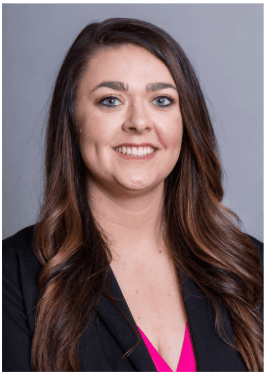
Caitlyn Benton, Research Manager at RegenLife
As Research Manager, Caitlyn Benton oversees the strategic planning and execution of clinical research projects, ensuring all studies adhere to the highest regulatory and ethical standards. With expertise in protocol development and data monitoring, she coordinates multidisciplinary teams to ensure the integrity of our clinical research programs and the accuracy of the insights shared with our patients.
Reviewed and Approved by
Dr. Zeeshan Tayeb, Medical Director at RegenLife
Interventional Spine, Pain, and Sports Medicine Dr. Zeeshan Tayeb, MD is a double-board certified physician with a specialized fellowship in interventional spine, pain, and sports medicine. He sees patients at Pain Specialists of Cincinnati/RegenLife in Cincinnati, Ohio. Dr. Tayeb's background in physical medicine and rehabilitation has provided the foundation for his comprehensive approach to treating the whole person. Dr. Tayeb has done extensive training and education in both functional and regenerative medicine and specializes in state-of-the-art treatments, including laser therapies, PRP and stem-cell injections, and nutritional and hormonal optimization.
Disclaimer:
As a service to our readers, RegenLife provides access to our library of archived content. Please note the date of last review or update on all articles.
No content on this site, regardless of date, should ever be used as a substitute for direct medical advice from your doctor or other qualified clinician.
Stay Updated With Our Latest News
Check back regularly for new articles and updates about pain management treatments, practice news, and health tips from our team of specialists.
Get In Touch
Same-week consults. Real follow-through.
Tell us what's going on. A coordinator will follow up during office hours to help book your visit.
Choose the clinic that works for you.
Most new patients can be seen within the same week.
We accept most major insurance plans