
RegenLife Centers · Physician-led care
MLS Laser Therapy
How Cold Laser Heals Tissue Without Surgery
Published on May 14th, 2026

Persistent symptoms can cause exhaustion when standard care does not provide a clear explanation or lasting relief.
What most patients with chronic musculoskeletal pain, tendinopathy, or neuropathy don't know is that the limiting factor is often not effort. It's cellular energy. Damaged tissue heals when cells have the biological resources to repair; when chronic inflammation, poor circulation, or neural sensitization depletes those resources, the repair cycle stalls. MLS laser therapy, a precise, FDA-cleared form of photobiomodulation that uses synchronized near-infrared wavelengths to stimulate cellular repair at depth, is one of the few non-surgical, non-pharmacological interventions that directly addresses that biological bottleneck. At RegenLife Centers for Integrative Pain & Weight Management, MLS laser therapy is used as a targeted component of integrative care, not a standalone device treatment, but a clinically purposeful tool for patients whose pain has a tissue-repair and inflammatory component that other interventions haven't resolved.
 A cosmetologist performs laser treatment on a patient in a clinical setting.
Key Takeaways
- A 2025 systematic review published in Lasers in Medical Science analyzed 211 studies on photobiomodulation from 1990–2024, the most comprehensive synthesis to date, confirming MLS and related photobiomodulation therapies as evidence-supported interventions across multiple musculoskeletal conditions (PMC12274228)
- A randomized controlled trial found that MLS laser therapy produced a 75% reduction in pain scores for chronic low back pain patients, compared to 27% in an exercise-only control group (PMC12125655)
- In a prospective study of patients with rotator cuff pathology, 88.8% of patients achieved pain scores of 2/10 or lower following photobiomodulation combined with rehabilitation, with significant range-of-motion gains in all planes (PMC12079619)
- MLS laser is FDA-cleared as a Class IV therapeutic laser device with no reported serious side effects across millions of patient treatments, delivering Class IV tissue penetration depth (3–5 cm) with the safety profile typically associated with lower-power Class IIIB devices
What MLS Laser Therapy Is: How Cold Laser Heals Tissue
MLS stands for Multiwave Locked System, a patented laser technology developed in Italy by ASA Laser and FDA-cleared in the United States. It belongs to the broader family of photobiomodulation (PBM) therapies, sometimes grouped under terms like low-level laser therapy (LLLT) or cold laser therapy, but it is clinically distinct from earlier-generation systems in ways that matter significantly for treatment depth and outcomes.
MLS laser therapy uses specific wavelengths of near-infrared light energy to penetrate skin and soft tissue and trigger a cascade of intracellular repair and anti-inflammatory responses, without generating destructive heat, without surgery, and without pharmacological intervention. The mechanism is not heat-based; it is photochemical. The laser light interacts with cellular structures, initiates measurable biological changes, and accelerates the repair processes that chronic inflammation, tissue damage, and neural sensitization have stalled.
The Two Wavelengths and What Each Does
The defining feature of MLS technology is the synchronized, locked delivery of two distinct near-infrared wavelengths:
- 808 nm (continuous emission): Primarily anti-inflammatory and anti-edemic. This wavelength drives increased blood flow and lymphatic drainage, and directly activates the mitochondrial enzyme cytochrome c oxidase: the key step that boosts cellular ATP production. It is the healing and regenerative wavelength.
- 905 nm (pulsed emission): Primarily analgesic. This wavelength blocks pain transmission at peripheral nociceptors, raises the threshold at which pain signals fire, and triggers endogenous pain-relief molecules including endorphins and enkephalins: the body's own pain-damping peptides.
The patented "locked" synchronization means these two wavelengths are delivered together in a single pulse, producing a synergistic effect on the inflammation-edema-pain triad that neither wavelength achieves independently. This is the core pharmacological distinction between MLS and other laser modalities: it does not choose between anti-inflammatory and analgesic effects; it delivers both simultaneously, amplified by their interaction.
Why Tissue Penetration Depth Matters Clinically
The therapeutic value of penetration depth is not abstract. It determines whether the laser reaches the structures actually generating pain. MLS delivers effective photobiomodulation at 3–5 centimeters, sufficient to reach:
- Intervertebral disc structures and adjacent nerve roots
- Deep joint capsules (knee, shoulder, hip)
- Plantar fascial attachments and heel fat pad
- Peripheral nerves in the lower extremity
- Rotator cuff tendons and subacute bursal tissue
Surface-level treatments, LED panels, consumer red light devices, and early-generation cold laser systems, do not reliably reach these structures.
The Biological Mechanism: What Photobiomodulation Does Inside the Cell
 A therapist assists a patient with arm movement during a physical therapy session in a bright clinical environment.
Understanding why MLS laser therapy works requires understanding what is happening in chronically painful tissue, and why that tissue has stopped repairing itself.
Chronic inflammation is self-perpetuating. When tissue is damaged or under sustained stress, immune cells flood the area with pro-inflammatory cytokines, signaling molecules including IL-6, IL-8, and TNF-α, that promote continued immune activity. In acute injury, this is appropriate. In chronic conditions, the inflammatory signal becomes excessive and persists long after the original damage has stabilized, continuously suppressing fibroblast activity, degrading collagen, and preventing normal tissue remodeling. The nerve endings bathed in that environment become sensitized, firing at progressively lower thresholds, which explains why chronic pain is so often disproportionate to what imaging actually shows.
MLS photobiomodulation interrupts this cycle at the cellular level.
The Intracellular Cascade
When near-infrared photons at 808 and 905 nm penetrate tissue, they are absorbed by chromophores, light-sensitive molecules in the mitochondria and cell membrane. The primary chromophore is cytochrome c oxidase (COX), the terminal enzyme in the mitochondrial electron transport chain and the key regulator of cellular energy production:
- COX activation: Photon absorption increases electron transport chain activity, raising the mitochondrial membrane potential
- ATP upregulation: ATP synthesis: the cell's primary energy currency, can increase by as much as 150%, directly fueling cellular repair, proliferation, and migration
- Nitric oxide release: Laser light displaces inhibitory nitric oxide from COX binding sites, restoring oxidative phosphorylation and triggering downstream antioxidant production and growth factor synthesis
- Inflammatory mediator reduction: Clinical studies document significant reductions in IL-6, IL-8, and TNF-α (p < 0.05) and prostaglandin E2 (PGE2, p = 0.04) following photobiomodulation
- NLRP10 expression: MLS specifically activates NLRP10, a protein involved in anti-inflammatory regulation: a mechanism not shared by all laser systems
The net effect: cells that were locked in a low-energy, high-inflammation state are shifted into a regenerative state. Fibroblasts produce new collagen. Macrophages shift from inflammatory (M1) to reparative (M2) phenotype. Neural pain thresholds rise. Edema clears as lymphatic and microvascular activity improves.
Why Chronic Conditions Respond on a Different Timeline Than Acute Ones
Acute injury responds quickly because the tissue has the biological capacity to repair. It simply needs the inflammatory signal brought back under control. Many patients with acute presentations notice meaningful improvement within 1–3 sessions.
Chronic conditions take longer because the tissue itself has changed. Years of inflammation degrade collagen architecture, neural sensitization has lowered pain thresholds, and compensatory movement patterns have introduced secondary restrictions. MLS therapy for chronic presentations, plantar fasciitis persisting beyond a year, diabetic peripheral neuropathy, chronic rotator cuff tendinopathy, requires a complete course of 10–12 sessions and produces results progressively as tissue remodeling occurs over weeks. Stopping early, before the full course, is the most common reason patients underestimate what MLS can achieve.
Conditions MLS Laser Therapy Treats: Where the Evidence Is Strongest
MLS laser therapy's FDA clearance covers a broad range of musculoskeletal and inflammatory conditions. The clinical evidence is strongest in several specific areas.
Plantar Fasciitis and Heel Pain
Plantar fasciitis is one of the most studied applications of photobiomodulation therapy, and among the most clinically responsive. A comparative study found that laser therapy achieved a 70.6% success rate for plantar fasciitis relief, outperforming extracorporeal shock wave therapy (65%) and ultrasound treatment (23.5%) (PMID 28633773). The mechanism is specific: photobiomodulation reduces the chronic peritendinous inflammatory process at the calcaneal insertion and supports collagen remodeling in the degenerative fascial tissue. Approximately 80% of patients in one treatment protocol reported significant symptom reduction at 4 weeks.
Chronic Low Back Pain and Lumbar Radiculopathy
In a randomized controlled trial comparing MLS laser to exercise alone for chronic low back pain (PMC12125655), the MLS group achieved mean pain scores of 1.86 out of 10 post-treatment, down from 7.66 at baseline, representing a 75% reduction. The exercise-only control group moved from 7.73 to 5.60, a 27% reduction. Nerve conduction studies (NCS/EMG) confirmed significantly superior neural recovery in the MLS group (p = 0.0001), indicating both pain relief and measurable neurological improvement.
For patients with concurrent sciatica, MLS laser therapy's effect on reducing periradicular inflammation can support the rehabilitation work that sciatica treatment programs are built around.
Shoulder Tendinopathy and Rotator Cuff Conditions
A prospective study examining photobiomodulation combined with exercise rehabilitation for rotator cuff pathology produced some of the most striking outcome data in the MLS literature (PMC12079619): 88.8% of patients achieved pain scores of 2 out of 10 or lower following treatment. Range-of-motion improvements were significant across all planes, abduction improved from a mean of 120° to 170°, internal rotation from 54.6° to 81.3°, external rotation from 54.4° to 81.3° (all p < 0.001). These are not modest changes in a scoring system; they are functional recovery metrics that determine whether a patient can reach overhead, dress without assistance, or return to occupational and recreational activity. Our overview of shoulder pain treatment in Cincinnati covers the full range of non-surgical approaches for these conditions.
Peripheral Neuropathy
Peripheral neuropathy, whether from diabetes, chemotherapy, or idiopathic causes, represents one of the more clinically significant emerging applications of MLS laser therapy. Photobiomodulation increases ATP production in neural tissue, displaces inhibitory nitric oxide from mitochondrial enzymes, and supports the regeneration of axonal structures that chronic neuropathy degrades. Clinical studies in diabetic peripheral neuropathy document meaningful reductions in nerve pain alongside objective improvements in nerve conduction velocity and sensory threshold testing.
Knee and Hip Osteoarthritis
Multiple randomized controlled trials document significant increases in pain threshold and functional outcomes following photobiomodulation in knee and hip osteoarthritis, conditions where structural cartilage loss generates persistent periarticular inflammation and neural sensitization independent of the joint damage itself. For patients managing knee arthritis without surgical intervention, these findings are explored further in our overview of non-surgical knee pain treatment in Cincinnati.
Sports Injuries and Athletic Recovery
A meta-analysis of six randomized controlled trials involving 205 competitive and recreational athletes (mean age 24) found a standardized mean difference of SMD = 1.03 (p = 0.0089) for photobiomodulation's effect on pain reduction, a clinically meaningful treatment effect across sprains, strains, tendinopathies, and overuse syndromes (PMID 38781474). For athletes whose performance or competitive schedule depends on recovery speed, MLS laser therapy offers an evidence-supported, non-pharmacological tool that can be integrated into rehabilitation without the systemic effects of anti-inflammatory medications.
Lymphedema
A synthesis of seven systematic reviews and ten randomized controlled trials examining low-level laser therapy for breast cancer-related lymphedema (PMC8971164) found that one well-designed trial reported a 28% cumulative reduction in limb volume in the laser group, compared to a 6% increase in the control group, with benefits persisting at 12-month follow-up.
MLS Laser vs. Cold Laser, LLLT, and Red Light Therapy: Understanding the Differences
 A physiotherapist adjusts a leg strap on a patient during a sports injury rehabilitation session in a clinical setting.
The language around laser therapy is imprecise in much of the clinical marketplace, creating real confusion about what different systems actually do. These differences are clinically significant, more than marketing distinctions.
Feature | Red Light Therapy | LLLT / Cold Laser (Class IIIB) | Standard Class IV Laser | MLS Laser (Class IV) |
|---|---|---|---|---|
Power output | < 10 mW (LED panels) | < 500 mW | 1–25+ W | Synchronized dual-wavelength delivery |
Wavelengths | 620–700 nm (visible red) | Single near-infrared | Single near-infrared | 808 nm + 905 nm (locked synchronization) |
Tissue penetration | 1–5 mm | 1–2 cm | 5–10 cm | 3–5 cm (deep tissue without thermal risk) |
Heat generation | Minimal | Minimal ("cold") | Significant, thermal risk | Minimal, pulsed delivery prevents thermal accumulation |
Primary target | Skin, superficial tissue | Superficial musculoskeletal pain | Deep tissue (with thermal precautions) | Deep tissue, joints, nerves, photochemical, not thermal |
Session time | 10–30 min | 20–60 min | 8–15 min | 10–15 min |
The critical distinction: MLS delivers Class IV penetration depth with the safety profile of a Class IIIB system. This is achieved through the pulsed delivery of the 905 nm wavelength, which prevents the continuous thermal buildup that makes standard high-power Class IV lasers require careful monitoring when applied near nerve or joint tissue. The result is a system that reaches deep musculoskeletal structures without generating tissue damage.
Red light therapy, including home LED panels and in-clinic red light beds, is not equivalent to MLS laser therapy for deep musculoskeletal conditions. The photobiomodulation principle is shared, but the power output, wavelength specificity, and tissue penetration depth differ substantially. Red light therapy at RegenLife is used as an adjunctive modality, appropriate for surface-level inflammation, skin health, and sleep support, while MLS is the tool of choice when the target is a deep joint, tendon, or nerve structure. The specific clinical applications of red light therapy are described further in our red light therapy overview.
What to Expect During MLS Laser Treatment
For patients unfamiliar with laser-based treatment, the first MLS session is often surprising for how unremarkable it feels. The device is positioned over, or near, the target area without contact or pressure. Most patients describe a mild warmth or gentle tingling; many report feeling nothing at all. There is no noise, no electrical sensation, no heat buildup, and no discomfort.
Each session runs approximately 10–15 minutes, depending on the number and size of the target areas. No preparation is required. Patients resume normal activity immediately afterward.
Treatment Course by Condition Type
- Acute conditions (recent injuries, acute tendinitis, post-surgical recovery): typically 6 sessions delivered 2–3 times per week over 2–3 weeks
- Chronic conditions (persistent tendinopathy, long-standing neuropathy, chronic low back pain): typically 10–12 sessions over 4–6 weeks
Most patients notice meaningful improvement within the first 3 sessions. The cumulative nature of photobiomodulation means that each session builds on the biological changes initiated by previous ones, which is why completing the prescribed course, rather than stopping when initial relief is felt, is essential to lasting outcomes and lower recurrence rates.
Contraindications
MLS laser therapy is contraindicated in a narrow set of circumstances:
- Direct irradiation over active or suspected malignancy
- Treatment over the abdomen or pelvis during pregnancy
- Direct application over the thyroid gland
- Direct irradiation of the eyes (protective eyewear is worn during all treatments)
MLS is safe with metal surgical implants, the mechanism is photochemical, not thermal, and produces no heating of hardware. It is compatible with physical therapy, chiropractic care, and regenerative procedures, and is frequently delivered concurrently with these interventions.
MLS Laser Therapy as Part of an Integrated Pain Program
Photobiomodulation produces its best results as one component of a clinical care plan, not as a standalone treatment. The biological rationale is specific: MLS creates the anti-inflammatory and regenerative tissue environment; exercise and rehabilitation rebuild the structural integrity that prevents the condition from recurring. Delivering MLS without rehabilitative follow-through often produces good short-term relief without the mechanical correction that prevents recurrence. Delivering rehabilitation without addressing the underlying inflammatory tissue environment produces slower, more painful recovery. The combination outperforms either alone.
Condition | MLS Laser Role | Integrated Additions |
|---|---|---|
Plantar fasciitis | Fascial inflammation, heel tissue repair | Physical therapy, orthotics, exercise |
Chronic low back pain | Periradicular inflammation, neural recovery | Chiropractic care, exercise therapy |
Rotator cuff tendinopathy | Tendon repair, peribursal inflammation | Physical therapy, targeted strengthening |
Peripheral neuropathy | Neural regeneration, mitochondrial support | Medical management, lifestyle medicine |
Knee/hip osteoarthritis | Periarticular inflammation, pain threshold | Exercise therapy, regenerative injections |
Post-surgical recovery | Wound closure, inflammation reduction, pain control | Physical therapy, medical management |
Sports injuries | Acute inflammation, accelerated tissue repair | Exercise rehabilitation, return-to-play planning |
At RegenLife Centers, MLS laser therapy is integrated with physical therapy, exercise therapy, chiropractic care, and interventional procedures based on the specific clinical picture, not applied as a default adjunct regardless of presentation. The diagnostic evaluation determines which combination is appropriate and in what sequence.
When MLS Supports Regenerative Procedures
For patients undergoing PRP or prolotherapy injections for tendon or ligament pathology, MLS laser therapy serves a specific supporting role: reducing the perilesional inflammatory environment during the weeks following injection, when the regenerative stimulus is active and tissue repair is underway. An anti-inflammatory adjunct that doesn't suppress the regenerative signal the way corticosteroids can, and that actively supports collagen synthesis rather than inhibiting it, is a meaningful clinical advantage in post-injection management.
For patients managing complex chronic pain that has not responded to single-modality treatment, our overview of five non-surgical options for chronic pain describes how MLS laser fits within a broader evidence-based program. Our philosophy for non-opioid pain management in Cincinnati reflects the same evidence-first, integrated approach.
Contact RegenLife Centers to schedule an evaluation or ask which service fits your needs.
Frequently Asked Questions
Find answers to common questions
Ready to Learn More?
To learn more and to find out if you might be a good candidate at RegenLife, schedule a consultation with our team today.
About the Author
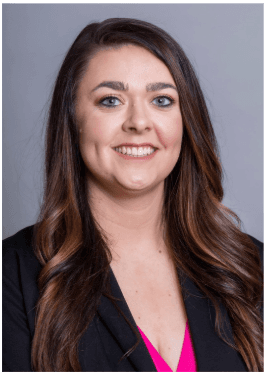
Caitlyn Benton, Research Manager at RegenLife
As Research Manager, Caitlyn Benton oversees the strategic planning and execution of clinical research projects, ensuring all studies adhere to the highest regulatory and ethical standards. With expertise in protocol development and data monitoring, she coordinates multidisciplinary teams to ensure the integrity of our clinical research programs and the accuracy of the insights shared with our patients.
Reviewed and Approved by
Dr. Zeeshan Tayeb, Medical Director at RegenLife
Interventional Spine, Pain, and Sports Medicine Dr. Zeeshan Tayeb, MD is a double-board certified physician with a specialized fellowship in interventional spine, pain, and sports medicine. He sees patients at Pain Specialists of Cincinnati/RegenLife in Cincinnati, Ohio. Dr. Tayeb's background in physical medicine and rehabilitation has provided the foundation for his comprehensive approach to treating the whole person. Dr. Tayeb has done extensive training and education in both functional and regenerative medicine and specializes in state-of-the-art treatments, including laser therapies, PRP and stem-cell injections, and nutritional and hormonal optimization.
Disclaimer:
As a service to our readers, RegenLife provides access to our library of archived content. Please note the date of last review or update on all articles.
No content on this site, regardless of date, should ever be used as a substitute for direct medical advice from your doctor or other qualified clinician.
Stay Updated With Our Latest News
Check back regularly for new articles and updates about pain management treatments, practice news, and health tips from our team of specialists.
Get In Touch
Same-week consults. Real follow-through.
Tell us what's going on. A coordinator will follow up during office hours to help book your visit.
Choose the clinic that works for you.
Most new patients can be seen within the same week.
We accept most major insurance plans