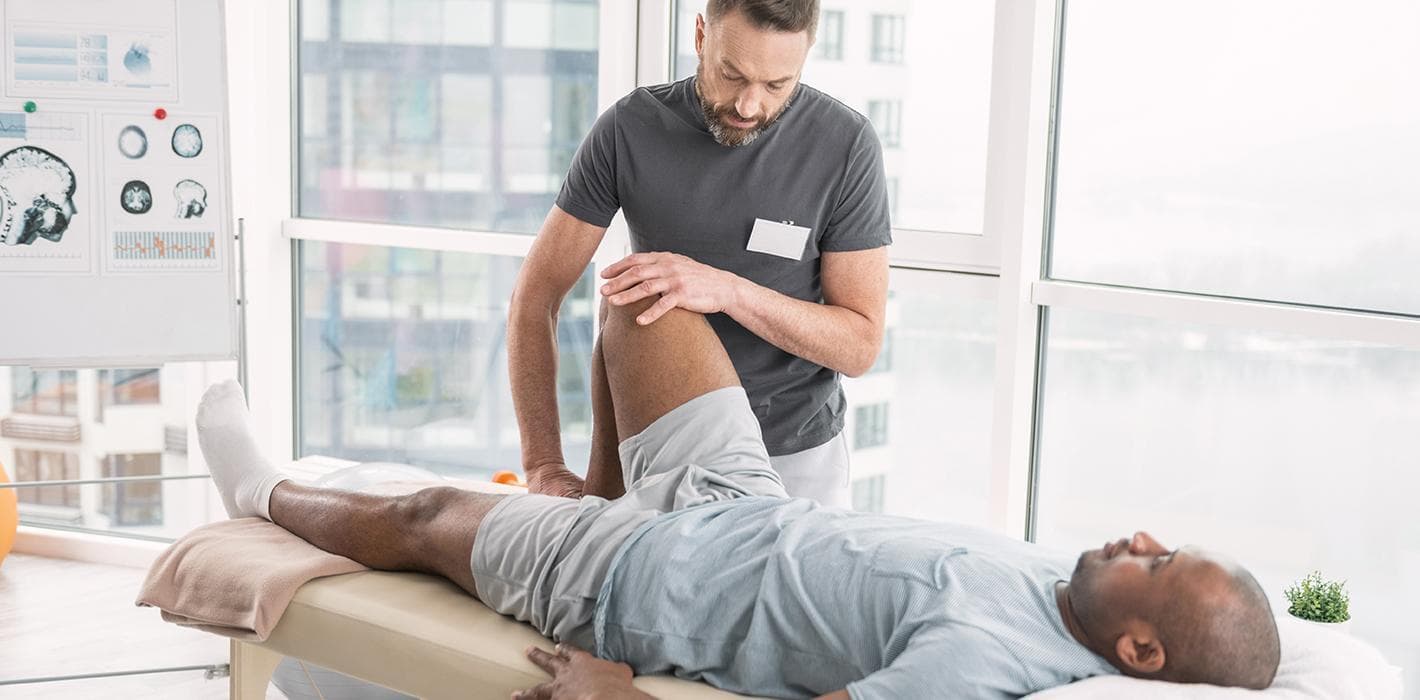
Massage Therapy

Comprehensive Guide to Techniques and Healing

Published on October 30th, 2025

Caitlyn Benton
Written by
Caitlyn Benton
Dr. Zeeshan Tayeb
Reviewed and Approved by
Dr. Zeeshan Tayeb

The body holds tension in quiet ways, storing stress in muscles, breath, and posture long before pain really grabs your attention. In clinical practice, folks usually turn to massage therapy when rest alone just isn't enough anymore.

They want something grounded—something that helps recovery, soothes the nervous system, and brings back that feeling of physical ease.

A massage therapist gently massaging a client's shoulders in a calm clinical room.A massage therapist gently massaging a client's shoulders in a calm clinical room.

Massage therapy is hands-on care that uses structured touch to work with soft tissues, aiming to ease muscle tension, boost circulation, and help regulate the nervous system. Research points to short-term relief from pain and stress, and maybe even a stronger mind-body connection. At RegenLife, clinicians see massage do its best work when paired with movement, better sleep, and other integrative care.

There’s a huge range of styles—some focus on gentle relaxation, others on targeted work for injury or chronic discomfort. When you pick the right therapist and approach, massage becomes a step in a bigger healing journey instead of just a quick fix.

Key Takeaways

  • Massage therapy uses therapeutic touch to support physical and nervous system health.
  • Different techniques match different goals, from relaxation to pain support.
  • Choosing the right therapist and approach improves safety and results.

What Is Massage Therapy?

A massage therapist gently massaging a client's back in a clinical treatment room.A massage therapist gently massaging a client's back in a clinical treatment room.

Massage therapy is a kind of manual therapy focused on skilled manipulation of soft tissues to help with pain, mobility, and nervous system balance. It’s a common part of integrative medicine because it works well alongside standard care, especially when the mind-body connection matters.

History and Origins

Massage therapy’s roots go way back—to ancient medical systems in China, Egypt, India, and Greece. Old medical texts describe using hands-on muscle and connective tissue work to ease pain and restore function.

In ancient Greece, massage was part of physical training and recovery. Traditional Chinese and Ayurvedic medicine wove massage into broader healing systems focused on energy flow.

Modern massage therapy grew out of European practices, especially Swedish massage, which shaped Western clinical training. Today, massage therapy is recognized in healthcare, with organizations like the National Center for Complementary and Integrative Health outlining its place in evidence-informed integrative care.

Role of the Massage Therapist

A massage therapist is a trained healthcare professional who checks tissue quality, movement, and pain response. They choose techniques based on goals like easing tension, boosting circulation, or helping recovery after injury.

Licensed massage therapists adjust their approach for your age, medical history, and comfort. Many work with doctors, physical therapists, and chiropractors.

In clinical spaces like RegenLife, massage therapists help with chronic pain, stress, and recovery. Medical centers such as Mayo Clinic include massage as part of integrative medicine programs.

How Massage Therapy Works

Massage therapy works through both mechanical and neurological pathways. Hands-on pressure affects muscles, fascia, and connective tissue to reduce stiffness and improve movement.

Touch also influences the nervous system. Research suggests massage can help the body shift from stress mode to a more relaxed, regulated state.

Newer research into pain and the brain shows that manual therapy might change how pain signals are processed. This fits with integrative medicine’s view that healing happens through a mix of tissue health, neuroplasticity, and emotion. Massage therapy is both a physical and regulatory tool in this picture.

Core Benefits of Massage Therapy

A massage therapist gently massaging the back of a person lying on a massage table in a clean clinical room.A massage therapist gently massaging the back of a person lying on a massage table in a clean clinical room.

A skilled massage works through the nervous system, muscles, and connective tissue at the same time. Regular care can ease stress, lessen pain, support immune balance, and improve sleep—without needing medication.

Promote Relaxation and Reduce Stress

Massage therapy helps the nervous system shift from fight-or-flight into rest and recovery. Slow, steady touch encourages the body to relax and let go of stress.

People often notice changes even after one session—like steadier breathing and less muscle guarding. Over time, regular massage can help you stay more relaxed between sessions.

The American Massage Therapy Association highlights reductions in stress and anxiety in many groups. At RegenLife, clinicians see this show up as better focus and steadier moods.

Common stress-related improvements include:

  • Less jaw, neck, and shoulder tension
  • Improved heart rate variability
  • A greater sense of physical calm

Pain Relief and Lessen Muscle Tension

Massage therapy tackles pain through hands-on pressure that improves circulation and changes how pain is felt in the brain.

The Mayo Clinic points to massage helping with low back pain, neck pain, and muscle overuse. This lines up with new research showing safe touch can lower the brain’s threat response.

Massage helps release muscle tension that keeps pain going. As tight spots soften, moving gets easier.

Pain relief adds up with regular care. People who stick with it often have fewer flare-ups and bounce back faster after strain.

Support Immune Function and Wellness

Massage therapy can support wellness by improving circulation, lymph flow, and stress hormones that impact immune function. When stress calms down, immune signaling seems to work better.

The University of Kentucky notes massage’s links to reduced stress markers, which can otherwise weaken immune resilience.

This matters most during tough times—like poor sleep, recovering from illness, or high-pressure work. Massage isn’t a replacement for medical care, but it can help restore internal balance.

Wellness improves when care feels restorative, not forceful. Gentle consistency tends to matter more than intensity.

Improve Sleep and Mental Health

Massage therapy can help sleep by calming the nervous system and easing aches that keep you up. People with insomnia often report fewer nighttime wake-ups after sessions.

Mental health benefits come from both physical relief and the mind-body connection. Touch therapy may influence mood-related brain chemicals, as the Cleveland Clinic points out.

Better sleep helps with emotional regulation and resilience. As sleep quality improves, people often notice fewer stress-related mood dips.

Massage works best for sleep when paired with movement, good light exposure, and steady routines.

Different Types of Massage

A skilled massage is almost like a conversation with the nervous system. Each approach uses different techniques to affect muscles, connective tissue, circulation, and how the brain perceives pain. These types of massage serve different goals—sometimes it’s about calming stress, other times it’s about restoring movement after injury.

Swedish Massage

Swedish massage is one of the most popular types in both clinical and spa settings. It uses long, gliding strokes, gentle kneading, and rhythmic movements to help you relax and boost circulation.

Clinicians often suggest Swedish massage for stress, sleep trouble, or mild muscle tension. Research shows it can lower heart rate and anxiety by supporting the body’s rest-and-digest mode, as explained by Health.com.

Key techniques

  • Effleurage to boost circulation
  • Petrissage for soft tissue mobility
  • Light friction to loosen surface tension

At RegenLife, Swedish massage is often part of plans for nervous system regulation and better sleep.

Deep Tissue Massage

Deep tissue massage works on the deeper layers of muscle and fascia, using slower, firmer pressure. Therapists follow muscle fibers to address chronic tightness and restricted movement.

This approach can help when pain involves both tissue stiffness and changes in how pain signals are processed. WebMD reviews deep tissue massage for chronic discomfort and injury recovery.

Sessions can feel intense but should always be tolerable and responsive to your feedback. Good deep tissue work values precision over brute force.

Sports Massage

Sports massage is about movement, not just relaxation. Therapists tailor pressure and technique to your training, injury history, and goals.

This massage often combines compression, stretching, and targeted work to boost tissue resilience. Massage Liability Insurance Group explains its use for injury prevention and recovery in active people.

Common clinical applications

  • Pre-event muscle prep
  • Post-exercise recovery
  • Addressing overuse

Movement is medicine, and sports massage helps support that.

Therapeutic Massage

Therapeutic massage isn’t one technique—it’s a flexible clinical category. Practitioners blend Swedish, deep tissue, trigger point, or myofascial work based on your needs.

Healthline highlights therapeutic massage for pain relief, circulation, and sleep support.

It tends to work best when paired with education, movement, and attention to the mind-body connection.

Specialized Massage Modalities

Specialized massage modalities tackle pain, mobility, stress patterns, and nervous system tone with unique techniques. Each one uses specific methods to influence fascia, muscle, circulation, and sensory input for better daily function and long-term comfort.

Shiatsu and Reflexology

Shiatsu uses rhythmic finger and palm pressure along body pathways, rooted in Japanese traditions. Practitioners focus on posture, joint mobility, and breath, often working through clothes instead of oils.

Shiatsu seems to help with nervous system regulation and stress reduction, especially for tension-related discomfort. Here’s a handy guide to shiatsu for stress and musculoskeletal balance.

Reflexology zeroes in on the feet, hands, or ears, using mapped pressure zones tied to body systems. Therapists use steady, focused pressure—no gliding strokes. Many seek reflexology for relaxation, sleep, and gentle whole-body calm, especially if they prefer not to have a full-body massage.

Key features at a glance

Modality
Primary Focus
Typical Pressure
Shiatsu
Whole-body balance, joints, breath
Moderate to firm
Reflexology
Feet and hands, nervous system
Light to moderate

Myofascial Release and Trigger Point Massage

Myofascial release goes after the fascia—that webby connective tissue wrapping muscles and organs. Therapists use slow, steady pressure to ease restrictions that mess with movement or cause chronic pain.

There's a growing sense in research and clinics that fascia matters for how we feel pain and move. If you want a deeper dive, check out this overview of myofascial release therapy and fascial health.

Trigger point massage zooms in on those stubborn knots in muscle fibers—trigger points. These little troublemakers can send pain elsewhere and mess with posture.

Therapists apply direct pressure, then stretch the area to help muscles work normally again. People with desk jobs, headaches, or repetitive injuries seem to get a lot out of it.

At RegenLife, these techniques often go hand-in-hand with movement retraining and pain education. It's all about connecting tissue health with how the brain interprets pain.

Hot Stone Massage and Aromatherapy Massage

Hot stone massage uses warm stones on key muscle groups or as tools during hands-on work. The heat boosts local circulation and lets therapists work deeper without cranking up the pressure.

Folks dealing with chronic stiffness or stress tension usually tolerate this really well. If you want the basics, here’s a quick summary of hot stone massage therapy.

Aromatherapy massage blends essential oils—picked for effects like relaxation or focus—with classic massage moves. Oils get in through the skin and nose while the therapist works.

There's some evidence that scent taps into the limbic system, which shapes mood and stress. Therapists are picky with oils, especially for anyone with allergies or health issues.

Common reasons people pick these techniques

  • Muscles that feel cold or locked up
  • Stress messing with sleep
  • Wanting gentle pressure but deeper results

Thai Massage and Eastern Approaches

Thai massage is a mix of assisted stretching, compression, and joint moves—usually on a floor mat. The therapist guides the body through stretches that feel a bit like supported yoga.

This style focuses on flexibility, better circulation, and syncing breath with movement. Athletes and active folks often look for it to boost their range of motion. Here’s a simple guide to Thai massage and Eastern bodywork traditions.

Eastern approaches generally see pain and stiffness as a sign of blocked flow, not just busted tissue. They work on movement, breath, and attention.

This lines up with modern ideas about neuroplasticity—repeating certain movements and sensations can literally reshape pain pathways.

Massage Therapy for Specific Conditions

Bodies adapt to stress, injury, and life changes in ways that are strangely predictable. Massage therapy works with these patterns, easing mechanical strain, calming nerves, and getting blood where it needs to go.

Back Pain, Neck Pain, and Chronic Pain

Back and neck pain usually involve more than just tight muscles. There's a strong link between stubborn pain, a jumpy nervous system, and losing confidence in movement.

Targeted massage can break that cycle—reducing muscle guarding, improving blood flow, and boosting range of motion when pain makes daily life tough. For chronic pain, regular sessions beat intensity every time.

Gentle, steady pressure tends to work better than going at it hard. Touch also supports the mind-body connection.

Research suggests massage can shift how the brain processes pain. RegenLife clinicians often mix massage with movement retraining and sleep tweaks for longer-lasting relief.

Readers wanting more on condition-specific techniques can check out this collection on massage for specific conditions.

Arthritis and Inflammation

Arthritis is a mix of joint wear, inflammation, stiffness, and pain that gets worse if you sit still. Massage won’t reverse arthritis, but it can make life a bit easier.

Gentle work around sore joints can ease muscle tension that puts extra stress on those joints. Better circulation helps tissue health and can soften that morning stiffness.

A lot of folks notice smoother movement and more awareness after a session. Inflammation needs a gentle touch—slow strokes, light to medium pressure, and watching the breath help avoid flare-ups.

Massage works best alongside regular movement, anti-inflammatory foods, and decent sleep. For people with knee osteoarthritis, massage can support walking tolerance and daily function.

Sports Injuries and Muscle Recovery

Sports injuries put a lot of strain on muscles, tendons, and connective tissue. Massage helps by getting blood flowing and letting tissues glide like they should.

Right after an injury, timing’s everything. Early on, it’s all about gentle work and lymphatic drainage to manage swelling.

As things heal, deeper massage can help untangle scar tissue and bring back flexibility. Athletes often say they perform better when massage is part of recovery—not just something they do when they’re hurting.

Some research points to less soreness and better neuromuscular coordination with regular massage. For more on recovery techniques, see massage for pain relief and recovery.

Prenatal and Pregnancy Massage

Pregnancy massage is all about easing the aches of a changing body. Hormones, posture shifts, and fluid retention bring on back pain, hip aches, and swollen legs.

Therapists use side-lying positions and lighter pressure to keep things safe for mom and baby. Common perks include less low back pain, better sleep, and a calmer nervous system.

Lymphatic moves can help with swelling in the legs and feet. Gentle abdominal and pelvic work adds comfort without stressing sensitive spots.

Massage fits into a bigger prenatal care plan—movement, hydration, and rest all matter. At RegenLife, pregnancy massage is seen as a guided, respectful journey, not just a one-off fix.

Practical Aspects and Finding a Massage Therapist

Massage therapy usually starts quietly—no rush, just intention. The details really matter: safety, comfort, and results hinge on them.

Knowing what happens in a session, how therapists train, and how to pick the right one makes the whole thing more grounded.

What to Expect During a Massage Session

A typical session has a loose structure that supports comfort and helps the nervous system chill out. It kicks off with a quick intake—talking about pain, stress, injuries, and what you want from the session.

During the massage, you stay draped except for the part being worked on. Pressure changes based on your feedback, not how much you can tough out.

Usual session flow:

Phase
What Happens
Intake
Health history, consent, pressure preferences
Treatment
Hands-on work using oils or lotion
Integration
Quiet rest and brief aftercare guidance

Sessions can shift breath, ease muscle tone, and boost body awareness. In practice, relaxation and relief depend as much on good communication as on technique—a core idea at RegenLife’s integrative care.

Qualifications and Certifications

Training standards keep things safe and ethical. In most U.S. states, therapists need formal schooling and a license before they can practice.

Many join national groups like the American Massage Therapy Association, which pushes for ongoing education and solid ethics. Others go for credentials from the National Certification Board for Therapeutic Massage & Bodywork, showing extra training and exams.

It’s totally fair to ask about a therapist’s education, years in practice, and focus areas—like chronic pain or sports. Credentials aren’t everything, but they set a baseline for safety and skill.

How to Find a Skilled Massage Therapist

Choosing the right therapist is more about clarity than speed. Many people start by asking trusted clinicians or searching professional directories for someone with the right experience.

When weighing options, practical stuff matters.

Things to look for:

  • Valid state license and up-to-date certification
  • Experience with your condition or goals
  • Good communication and respect for boundaries
  • Clean, calm, professional environment

First conversations tell you a lot. A good therapist listens and explains how sessions might change over time.

Healing’s a process, not a one-and-done deal. At RegenLife, referrals lean into this bigger picture—touch supporting movement, nervous system balance, and the whole health journey.

Frequently Asked Questions

Find answers to common questions

Massage therapy affects pain perception, tissue health, lymph flow, and the nervous system. Both research and hands-on experience suggest that steady, well-matched care helps healing when it fits the person’s goals and body.

Ready to Learn More?

To learn more and to find out if you might be a good candidate at RegenLife, schedule a consultation with our team today.

About the Author

Caitlyn Benton

Caitlyn Benton, Research Manager at RegenLife

As Research Manager, Caitlyn Benton oversees the strategic planning and execution of clinical research projects, ensuring all studies adhere to the highest regulatory and ethical standards. With expertise in protocol development and data monitoring, she coordinates multidisciplinary teams to ensure the integrity of our clinical research programs and the accuracy of the insights shared with our patients.

Reviewed and Approved by

Dr. Zeeshan Tayeb

Dr. Zeeshan Tayeb, Medical Director at RegenLife

Interventional Spine, Pain, and Sports Medicine Dr. Zeeshan Tayeb, MD is a double-board certified physician with a specialized fellowship in interventional spine, pain, and sports medicine. He sees patients at Pain Specialists of Cincinnati/RegenLife in Cincinnati, Ohio. Dr. Tayeb's background in physical medicine and rehabilitation has provided the foundation for his comprehensive approach to treating the whole person. Dr. Tayeb has done extensive training and education in both functional and regenerative medicine and specializes in state-of-the-art treatments, including laser therapies, PRP and stem-cell injections, and nutritional and hormonal optimization.

Disclaimer:

As a service to our readers, RegenLife provides access to our library of archived content. Please note the date of last review or update on all articles.

No content on this site, regardless of date, should ever be used as a substitute for direct medical advice from your doctor or other qualified clinician.

Stay Updated With Our Latest News

Check back regularly for new articles and updates about pain management treatments, practice news, and health tips from our team of specialists.

Get In Touch

Ready to Meet Our Team?

Our team is here to help you with any questions about our pain management services. Fill out the form below and we'll get back to you as soon as possible.

RegenLife Logo

Cincinnati

3328 Westbourne Dr,

Cincinnati, OH 45248

(513) 922-2204

Edgewood

162 Barnwood Dr,

Edgewood, KY 41017

(859) 331-4159

We accept most major insurance plans

RegenLife Logo

Our Locations

Cincinnati Clinic

3328 Westbourne Dr,

Cincinnati, OH 45248

(513) 922-2204

Edgewood Clinic

162 Barnwood Dr,

Edgewood, KY 41017

(859) 331-4159

Hours of Operation

Monday - Friday8:00am - 5:00pm
Saturday9:00am - 3:30pm
SundayClosed
© 2026 RegenLife.All rights reserved. Designed by Aalpha